Followers

Showing posts with label Google Translate. Show all posts

Sunday, February 12, 2017

And the winners are...... EVERYONE!!!!!


As teachers, we are always looking for a way to make our lessons interesting enough to motivate our students to engage in what we want them to learn. Gamification has been around for over 100 years, but it was only at the beginning of the 21st century that it started becoming a legitimate player in the educational scene. (Unless you want to count Mary Poppins, https://www.youtube.com/watch?v=i5IW9wK_HNg)  


“Gamified” is what Google did to their tool “Google Translate”, by developing a Google Translate Community, in order to improve its translation reliability from Google Gobbledygook into outcomes that are closer to accurate language. It started in other places in the world in 2014, but NO place in the world has done ANYTHING like what we have done with this tool, as a way to engage language students and improve the tool’s translation abilities for authentic users of Hebrew/Arabic-English!

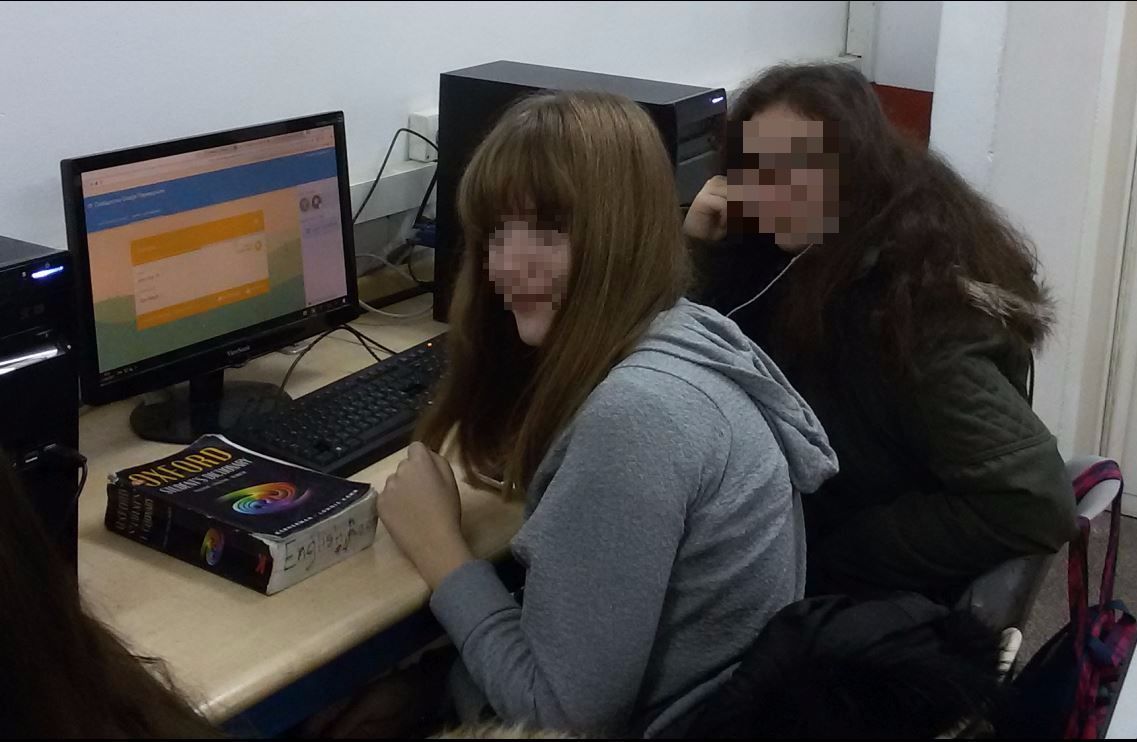
AbuSaleh_censored (1).jpg
Al Ahalan JHS
Google Translate needs help because the translations between English and Hebrew, and English and Arabic just aren't good enough. The reason for that is the lack of a critical mass of online webpages which Google needs, to enable its mechanism of “machine learning”  in order to develop accurate translations. In comparison to more common languages, such as English, or Spanish, there is a much smaller quantity of webpages and digital online content in both Hebrew and Arabic. Although Arabic is spoken far more widely than Hebrew, much of the Arabic speaking population is not online. Another barrier to quality translation for Arabic, which I just discovered after meeting our group of winners, is that the Arabic used on the web is mostly literary Arabic, and the great need  for translation, is for spoken Arabic.


Last spring, I sent out a call to ALL teachers of languages in Israel - but mostly to teachers of English, Hebrew, Arabic and Russian, to join us in our efforts to make a difference in the abilities of Google Translate, by having their classes participate in a competition. The first place prize: a fun visit to Google Israel!

51 classes from around the country registered in that pilot competition. The overwhelming majority were English classes where the students' mother tongue was either Hebrew or Arabic. The timing was VERY problematic. It was May - the season for many missed lessons (Holocaust Remembrance Day, Independence Day, English Matriculation....) and only 8 of those classes made it to the finish line.  I ran a website dedicated to the competition, which was the hub of it all. It included the submission forms for registering, for keeping track of the class' achievements, anecdotes and teaching ideas that participating teachers shared, as well as a weekly Leader Board to keep participants informed and to spice up the motivation!  The students from the pilot contributed a whopping 1 million translations/ verifications!

In light of the overwhelming number of contributions that were gleaned from that pilot, Google built a dashboard to make running the competition easier and more accurate, and this year, when I sent out the invitation to our 3 month-long competition, 235 classes registered!  I built a new site which included a wealth of lesson plans that teachers could use, developed by people at Google, in addition to some of my own ideas. The site also housed the leaderboard which was updated weekly. We also added tips, incentives and prizes along the way, to keep the momentum going!
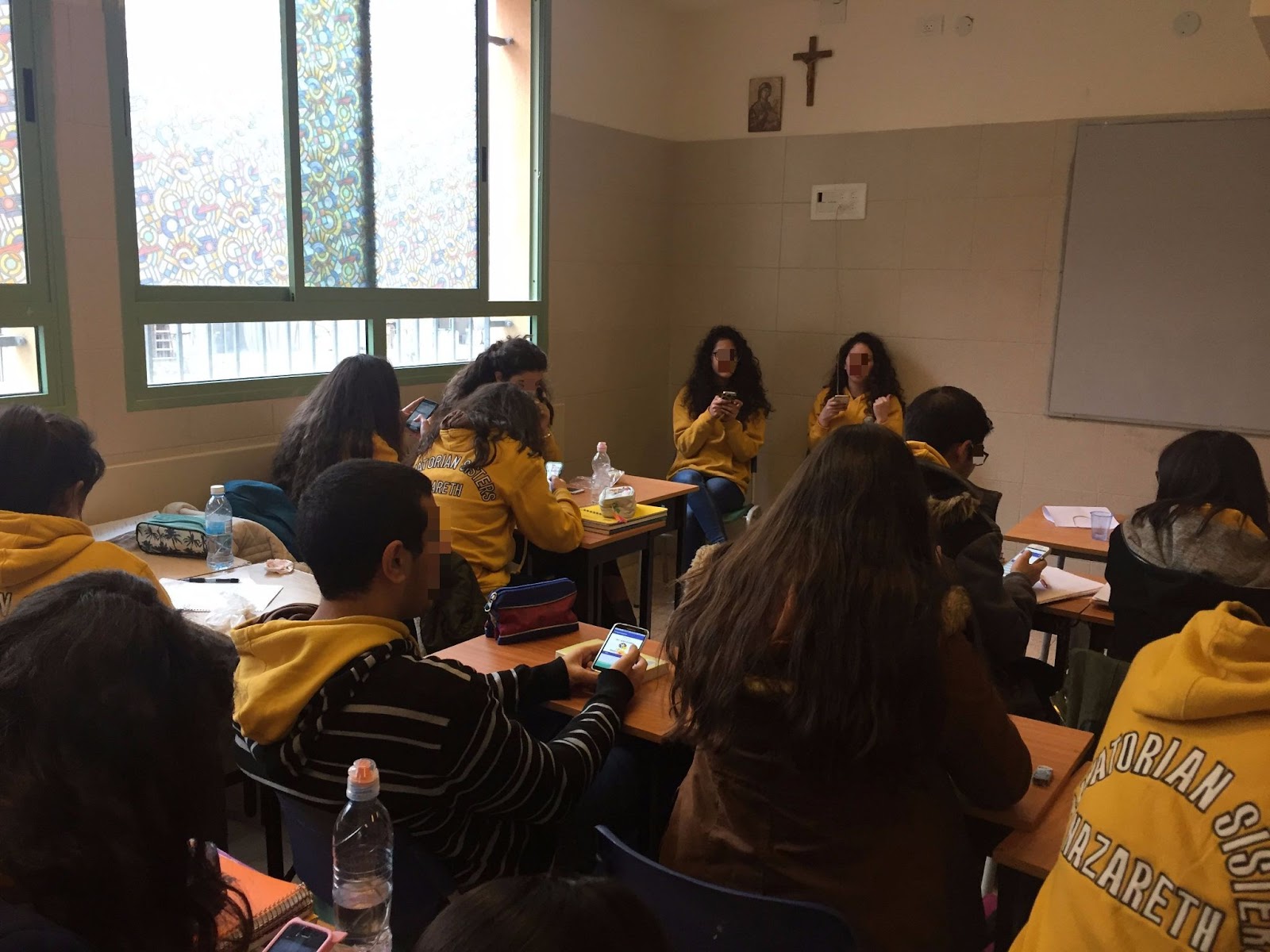
Salvatorian Sisters' School_censored.jpg
Salvatorian Sisters' School, Nazareth

YJcropped_censored.jpg
Yohana Jabotinsky
In the end, 152 classes participated actively, resulting in 3 million contributions for Hebrew-English and Arabic English! That means that altogether, the students of Israel have made 4 MILLION contributions that have improved Google Translate’s capabilities!!!! (That is more than had been collected altogether, over the course of two years by the community, before we and our students arrived on the scene!)  Our dedicated participating teachers and their classes have authentically caused a change in the way others in our world can translate our languages!

In light of these awe-inspiring achievements, Google is preparing surprises that will be rolled out in the coming months. They are not at liberty to go into any detail, for now, but they CAN tell us that it is thanks to the quantity and quality of the contributions from our competitions! (When we told them that the contributions were made by high school and even junior high school students they were flabbergasted!)
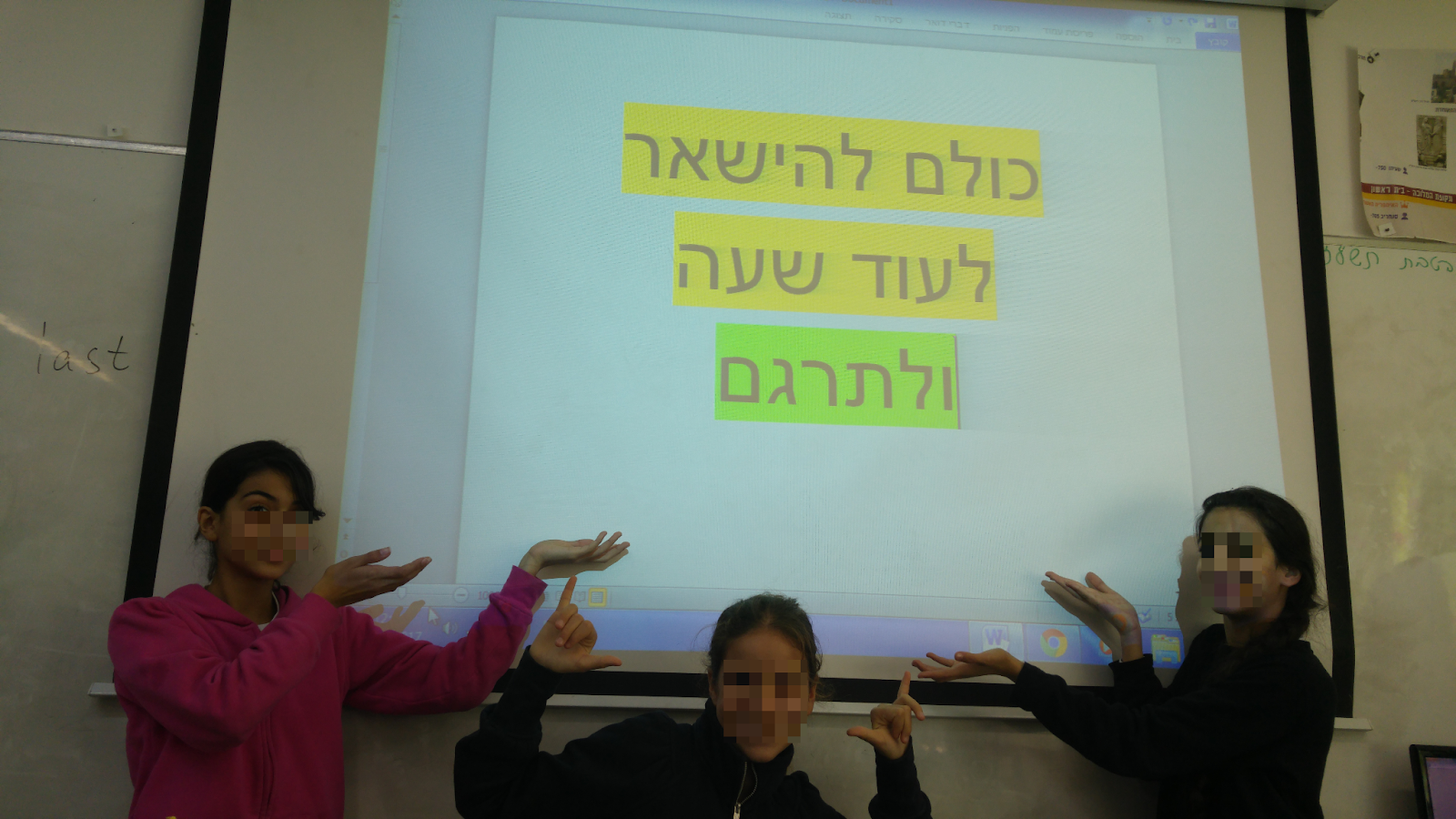

Nitzanim School


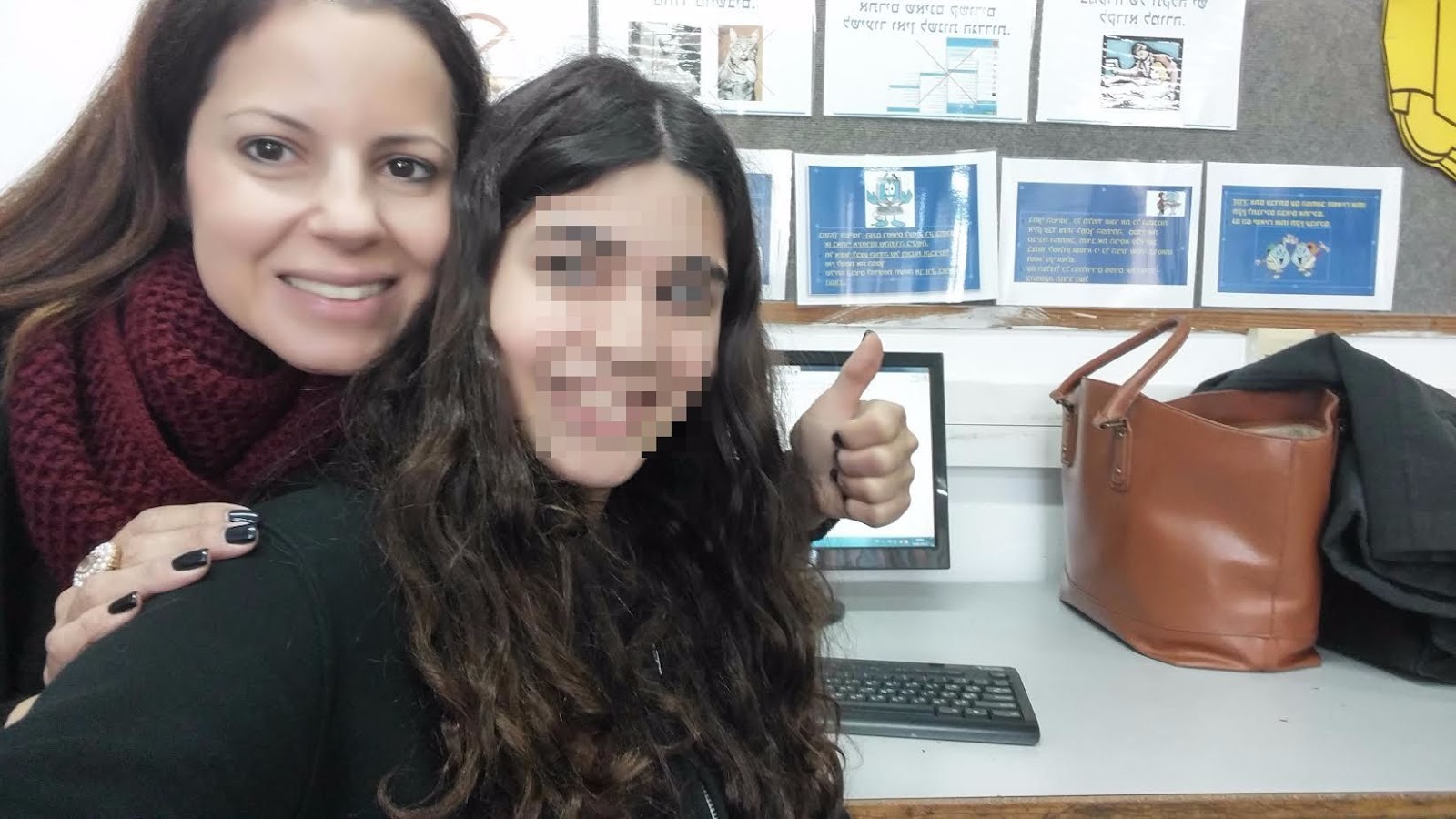
Tzicvia and student_censored.jpg

Nitzanim School


There were also a few bumps in the road. Some of the words supplied to translate were inappropriate for students. We asked that they be shared with us via screenshots, and we took care of each and every one the best we could. Another complaint was that teachers are not able to follow the accumulated progression of their students as it was happening.

Finally, we received a couple of complaints from teachers of classes who felt that they had worked very hard and were dissatisfied with the results. Unfortunately, some of the students (and teachers) got so carried away, with tunnel vision focussed solely on the end prize (a fun morning in Google) that they forgot to stop along the way to enjoy - and be enriched by- the benefits of the journey, itself. (The benefits of enriching their vocabularies, assessing translations critically, working together as a team, enjoying the adrenaline of the weekly leaderboards, doing something as part of their learning that would truly benefit others, among other things.)

Thankfully, those instances were few. The overwhelming majority of the feedback we got was positive. Here are some excerpts:


Thank you so much for the amazing opportunity and this special challenge! We feel proud to be a part of this global community”

“The experience of participating in the competition was very positive and enriched my teaching. Any time that a student finished a task early or had a bit of time at the end of the lesson, they could be productive by going into the site and translating!”
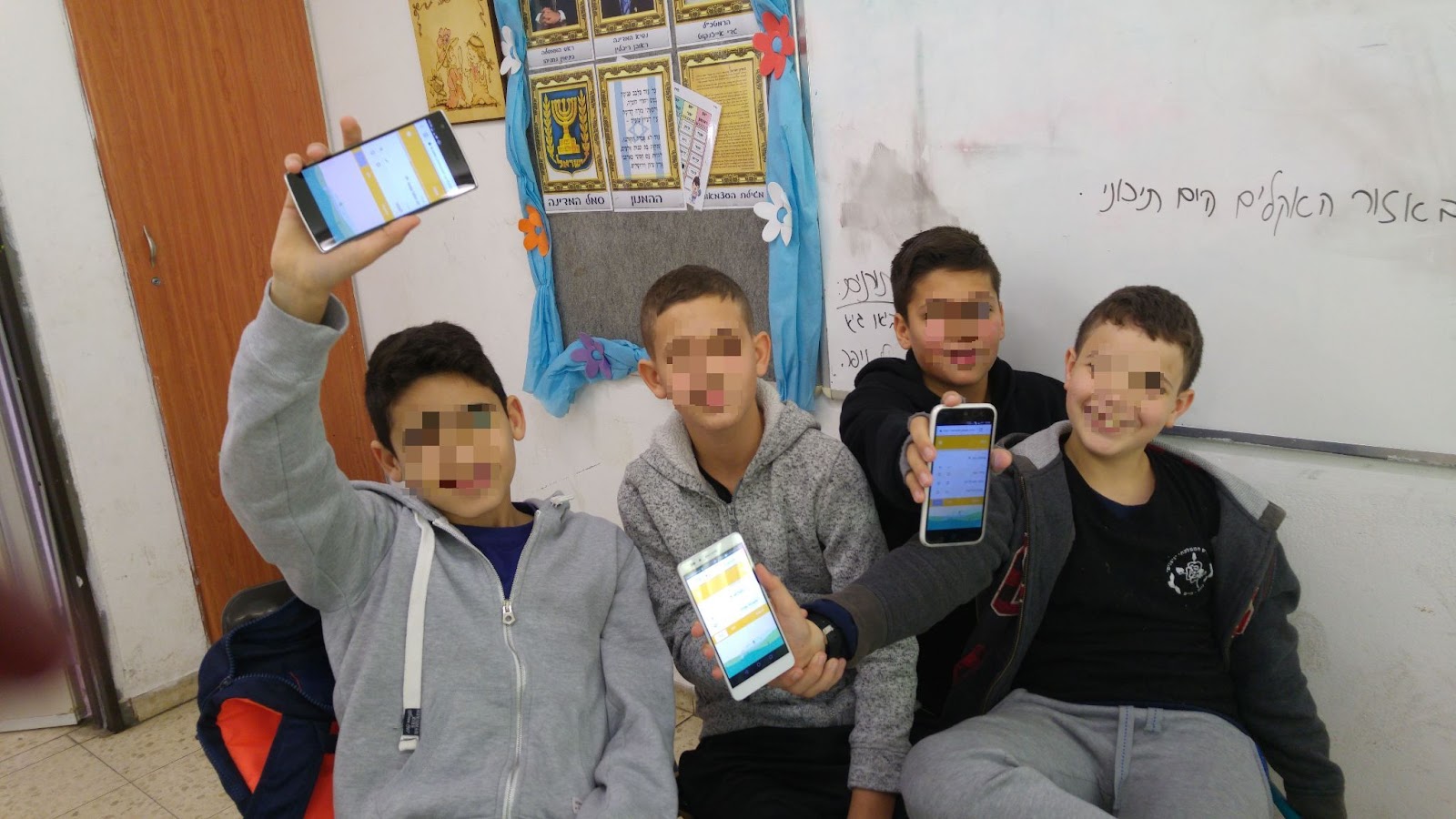

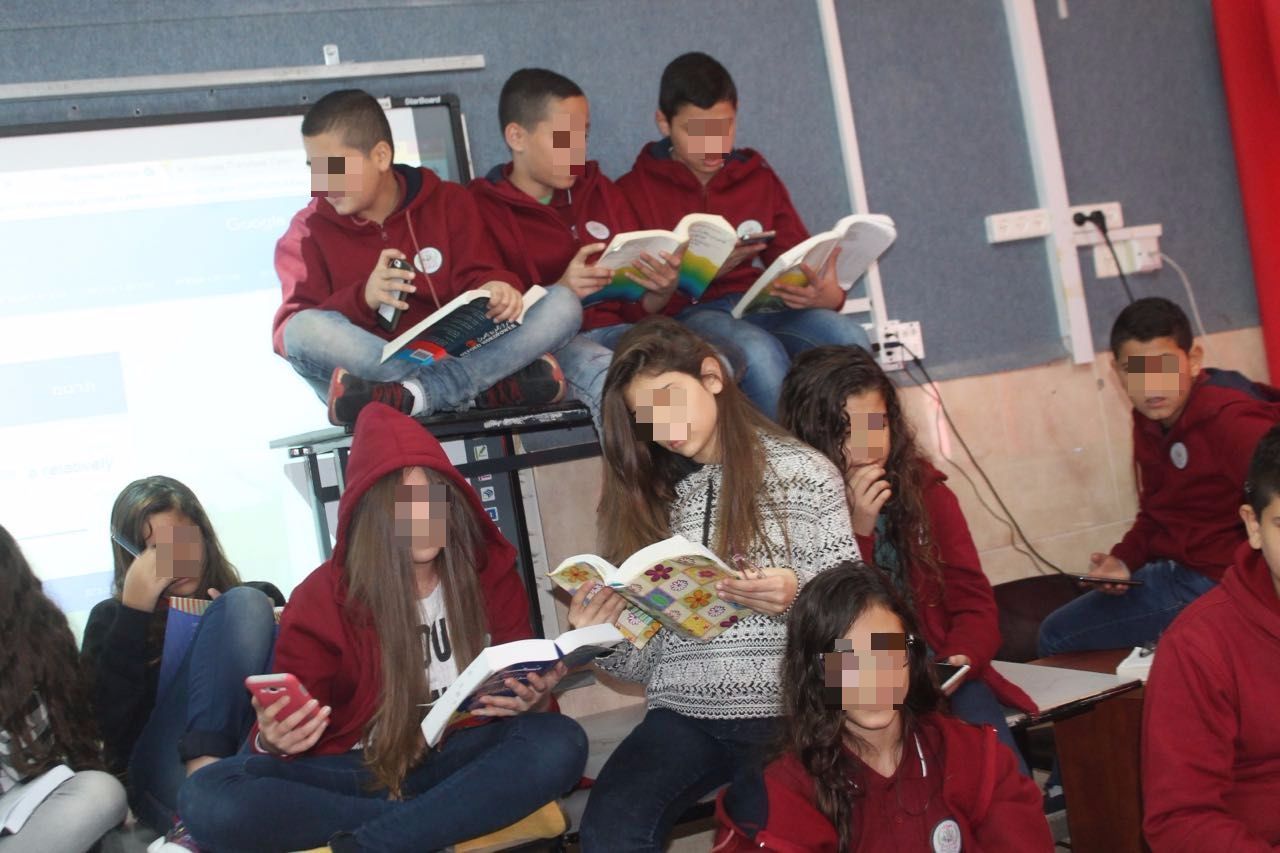
Nitzanim boys_censored (1).jpg


“...the experience was wonderful and students expressed a great interest in it, and to my surprise even my weaker pupils felt that they were able to contribute meaningfully”.

“This was a unique learning experience for my students; one which enriched their vocabularies.”

And now, all that is left to do is to send out the runner-up prizes from Google, the Google Cardboards for each of the kids in the classes that earned them by contributing over 400,000 translations or for rising to the challenge of the ones who most significantly improved their contributions by during the final two weeks of the competition! We also will be sending surprises to the 15 top teams on the leaderboard, after those who took the main prizes! To see who those schools were, check out the competition site! We on the Google Translation Community Competition team have our work cut out for us.

Oh, yeah….and we have to plan the NEXT competition!!! We have already starting getting requests!
Want to join in the fun, too? Send an email to googtranscomp@gmail.com!

Digitally yours,

@dele


Saturday, October 1, 2016

It's FUN to be WINNERS!!!! (Especially when EVERYBODY wins!)


Last spring, I launched a pilot competition for bringing Google Translate into the language classrooms in Israel. The innovation was sparked by a request I received from the Google Education Lead in Israel, +Yael Doron Drori . She asked if I could think of a way to get students involved with the tool which Google had devised in order to gamify the process of gathering translations. The aim is to improve the ability of Google Translate to provide more accurate translations when used when translating between English and Hebrew, and English and Arabic. 

Google Translate needs help because the translations between English and Hebrew, and English and Arabic just aren't good enough. The reason for that is the lack of a critical mass of online webpages which Google needs in order to develop accurate translations. Relative to more common languages, such as English, or Spanish, there is a much smaller quantity of webpages and digital online content in both Hebrew and Arabic. Although Arabic is spoken far more widely than Hebrew, much of the Arabic speaking population is not online. Another barrier to quality translation for Arabic, which I just discovered after meeting our group of winners, is that the Arabic used on the web is mostly literary Arabic, and the great need  for translation, is for spoken Arabic.

So I sent out a call to ALL teachers of languages in Israel - but mostly to teachers of English, Hebrew, Arabic and Russian, to join us in our efforts to make a difference in the abilities of Google Translate, by having their classes participate in a competition. The first place prize: a fun visit to Google Israel!

51 classes from around the country registered in last spring's competition. The overwhelming majority were English classes where the students' mother tongue was either Hebrew or Arabic. The timing was VERY problematic. It was May - the season for many missed lessons (Holocaust Remembrance Day, Independence Day, English Matriculation....) and only 8 of those classes made it to the finish line.  I ran a website dedicated to the competition, which was the hub of it all. It included the submission forms for registering, for keeping track of the class' achievements, anecdotes and teaching ideas that participating teachers shared, as well as a weekly Leader Board to keep participants informed and to spice up the motivation! 


Do you know what happened? Google San Francisco called Google Israel and told them that they were OVERWHELMED with translations from our groups: both English/Hebrew and English/Arabic! They knew we were running this competition but HUGELY underestimated the results! During the month in which when we ran the competition, Google Translate received 50 times as many translations as they would normally receive! In other words: OUR Arabic and Hebrew speaking students have already made an impact on the world!

ALL of the classes that stuck it out until the end, were sent SWAGs with the Google icon on them. The class that had the highest number of  submissions per student, won a fun morning with a visit to Google Offices, presentations by Google Ninjas and a tour of the coolest spots in the Google Tel Aviv offices! 

And THAT took place LAST WEEK!!

Last Thursday, I left behind everything I was doing in my home on the border, in order to go to Tel Aviv and join in the festivities! I HAD to meet the winners of our competition! When they arrived, I saw a class-load of students and their teacher piling out of their bus.... wearing...... GOOGLE shirts that they had made specially for this visit!


After having the honor of congratulating them in person, and welcoming them to Google, I was followed by Lee, who kick-started their morning of fun by explaining just how extraordinary their achievements were!


Yael continued where Lee left off, by talking about the concepts of gamification, about learning and playfulness and how it helps us learn better by making learning a lot of "boring" material, fun. She gave the example of an online Spiderman game, where players actually learned all the streets of New York as a by product of playing the game! She explained how learning will become even more interactive and engaging in the future, by virtually immersing learners into the venues of the topics being learned, for example, by using CardBoard and other virtual reality tools. Yael described a true instance, when a teacher in Israel, who was teaching her Jewish-Israeli students about the pilgrimage to Mecca. By using CardBord, she enabled the experience to come alive for them by sending them on a virtual pilgrimage, where they were able to virtually experience it, 360 degrees, for themselves! Yael introduced them to Voice Search (using OK Google) and inspired them with Moonshot Thinking: where by asking huge questions, we can find radical solutions that work!


"Do you know what Google's mission is?" Yael asked the students. After a few suggestions, she sent them into their smartphones to find the answer to her question. (Do YOU know? Google it!)

The students agreed with the answer they found, and explained how excited and motivated they were by the competition - even making their school postpone a physics exam so that they could post more translations before the end of the competition! They explained that they realized that they were literally doing something not only for themselves. They told us that even though it was Ramadan, and they weren't eating during the day, they were motivated to translate. They realized that it was helping them with their own vocabularies in English AND that they were improving their understanding of grammatical structures of sentences. On top of all that, they understood that they were doing something important to help Arabic speakers around the world!

Their teacher. Rozeen Daw said: "I have always told my students not to use Google Translate because it's bad, but I think this contest helped me see this tool in a new light. It's no longer the source of badly written sentences. I have learned how to integrate this tool in my classroom. It can be a beneficial tool for teaching, not only translation, but also in teaching writing."

She also told me that through participating in the competition, she realized that they can fix the translation tools. Moreover, it enabled her to encourage her students to talk about language.


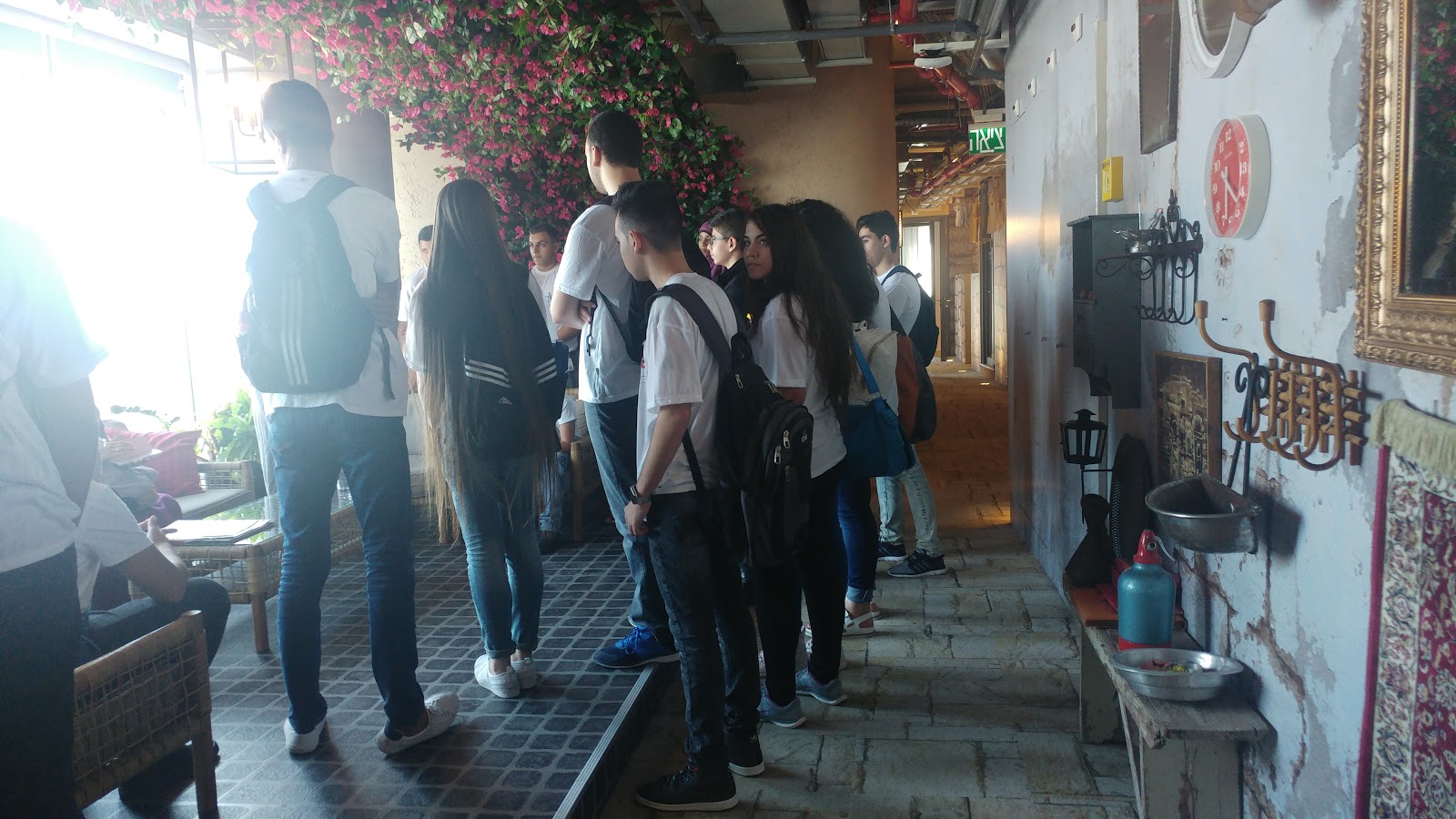
We then broke for lunch (because.....Google)! After the meal we went on a tour of the Google Offices, which was (as always) amazing! We took them to the floors inspired by the Israeli outdoor market, the night life of Tel Aviv, the realm of the imagination and the orchards!


The tour was followed by a talk by Sarit about what Google R&D are doing in Israel, including the "Mind the Gap" initiative. Finally, we heard from Liat (and her dog, who, it turns out, also works at Google) about Google Doodles


Meeting these talented, motivated teens and their inspiring teacher, was the perfect send off that _I_ needed to get THIS year's competition - which will be even bigger and better - off the ground! In light of our successes from last year, Google has built a special dashboard, which will make it easier for us to keep track of the competition! (Making MY life a WHOLE lot easier!!! Thank you Google!!!!xxxx) In addition, we will be running the competition for three months, rather than one, and there will be PRIZES!!!!! Ever class who passes the 400,000 mark will win a Google CardBoard for EACH of their students! (FYI: two of the classes from last year, including the winning class, submitted  over 300,000 in only a month. A third class came close to that number.) And, again, in addition, the winning class gets a special tour of Google!

Have I whetted your appetite? It's FUN to be winners - especially when, like in THIS contest, EVERYONE WINS!!! To find out more, keep your eyes on the Ministry website (Stay Up To Date) and the English Teaching Community's Facebook page, where it will be formally announced at the end of this week! (Just in time to start the New Year with something AMAZING!!!!)

Looking forward to LOTS of action this year, and even MORE improvement of Google Translate, thanks to the efforts of our students!

Digitally yours,
@dele


(That's me in the middle photo-bombing the class before they left Tel Aviv :-)

P.S. Also got the ultimate compliment: "Thank you and you were cooler than we expected"   This is my 36th year in the classroom. I say: one HAS to be "cool" to last that long! :-)

Saturday, March 19, 2016

GoogleTranslate: Love it or Hate it - You Gotta Help it!

We all know and love (or hate) Google Translate. As a teacher, I have seen more than a few Google-translated compositions that came out as gobbledygook. I constantly warn my students that I can smell a Google-translate composition from a mile away. I also moderate an international group on Facebook that aims at encouraging communication and empathy for others, yet when people with no understanding of  English posted using Google Translate, it turned into mayhem and I had to gently explain the pitfalls of the application. It’s
simply that unless they know English well enough to communicate their ideas clearly, despite their good intentions, discussion process deteriorated into shouting matches.

Here’s just a sample of what can happen to the well-loved Bohemian Rhapsody when Google translate gets its teeth into it.


Funny - right?

But Google translate has a really important role in today’s shrinking world, where people move around more than ever before and need to communicate effectively. From the smallest request like finding the nearest public bathroom to an urgent  need to locate the nearest drugstore in a foreign land when you have sprained your ankle and need to buy an ankle support, Google translate is an essential companion.


Google Translate uses algorithms based on statistical analysis. But as we all know, languages are tricky things, and despite the innumerable texts that the mechanism uses to develop the translations, it’s far from perfect. This is the reason why Google is trying to harness the Wisdom of the Crowds (first credited all the way back to Aristotle!) in order to improve its capabilities. And this is why a Google representative asked me if I could think of a way to get our students involved, to improve Google Translate for Hebrew.

At first I thought… nah…. why would my 12th graders, pre-occupied with tests, army call-ups, driving lessons and hormones,  want to do that?

But then I thought… hhhmmmm…... It’s worth a go! It could get them thinking about language AND help others who need to use Hebrew!

In class, I showed the following explanation of how Google Translate works, and asked how many of them used Google Translate.


In fact, many of them use Morphix, but some use Google Translate…. Unless they were wary of admitting it ;-) . Then I gave them this article, anticipating  their response: “English matriculation exams are coming up, and don’t waste our time on your techno-App-Web2-Googledocs-sites-Twitter bird brained ideas, Adele”.  (FTR - it’s not easy being my student - they are often my guinea pigs, and they know me well enough after almost 3 years). I also prepared accompanying work (one NEVER knows WHAT subject is going to pop up on the Bagrut, and if anyone is listening out there, I would REALLY appreciate it if you could base module G reading passage or composition on using bots to translate, or something Googley similar).

I do not think they were the least bit suspicious at this point.

After they had all finished reading the article,if not yet all the questions, we started checking their work. I used a small squishy ball to keep them on their toes. I throw it to a person and they translate the next word or answer the next question. (They are always impressed at how well I catch ;-)

And then, when they hit the zone of being fuzzy and comfortable, I hit them with it.

Google Translate Community needs YOU!!!

Now, it was the end of the lesson, and they were itching to take a few minutes to look over their notes for their big history test the following hour, so I didn’t push the issue, but DID prepare them for the fact that they were going to be participating in a competition that will help our country (a little patriotism, here) and that there was a “to be continued” segment coming up.


But I CAN tell you that when one of my really strong students finished early I told her that we were going to have a competition, and I was going to let her try it out first. I instructed her to scan the barcode and start playing. She REALLY got into it! (But she is not representative of  my class… nor any class, probably.)

The “to be continued” part will happen in class tomorrow.

I intend to have a short discussion with them about the nature of the problems with Google Translate, and to show the first few minutes of Adele’s “Hello” used with Google Translate (I believe they will be more familiar with it than the cool one I used to open this blog).


I want to hear what THEY think about the tool, how it can help them and then to demonstrate how THEY can help others, those who need to use Hebrew, or Hebrew speakers who need the English.Really - a little patriotism can go a long way in the 12th grade in my school ;-)

They will be told, in tomorrow’s lesson, that a portion of all the upcoming lessons until our Passover break will be devoted to spending 5 minutes to help the world communicate with us. They’ll be asked to go into the site and either translate or validate. At the end of the session, they will need to take a screenshot and send it to me in our class What’s App. There will be prizes for the top 3 scorers, and they will not be limited to class time to accrue  badges!

So...what do you think? Will it catch on? Will it flop? Will I be stuck with all of the prizes?

Do YOU have any ideas for how to get kids turned on to thinking about language and translations AND helping others in the community at the same time? I would LOVE to hear about them!

And you can be sure I will share a follow up note here.

Digitally yours,

@dele


P.S. Here’s how to sign up for Google Translate. And here are some other ideas about how to take advantage of Google Translate for education and educators.